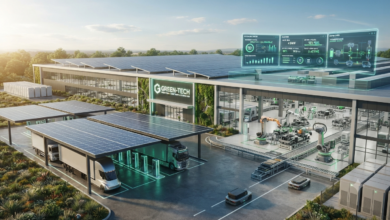
Solar Charging 2026: The Strategic Pivot for UK Commercial Assets
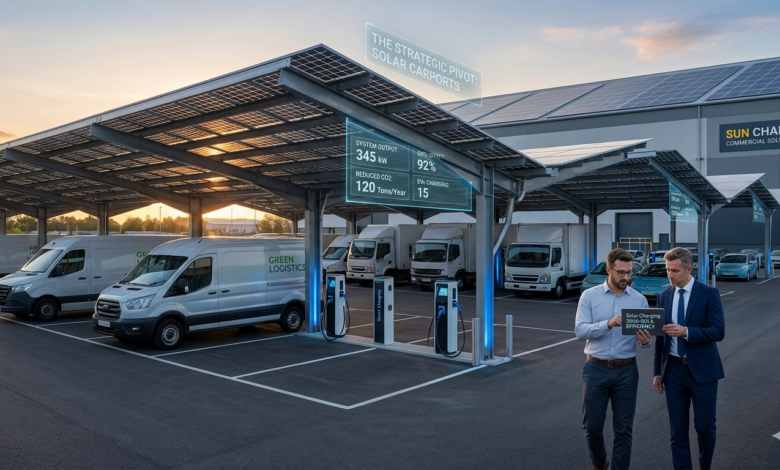
In May 2026, the UK’s solar landscape has reached a historic milestone with over two million installations nationwide. For businesses, the focus has moved beyond simple rooftop generation toward integrated solar charging ecosystems designed for resilience and cost control.
1. Scaling Fleet Electrification with Solar Carports
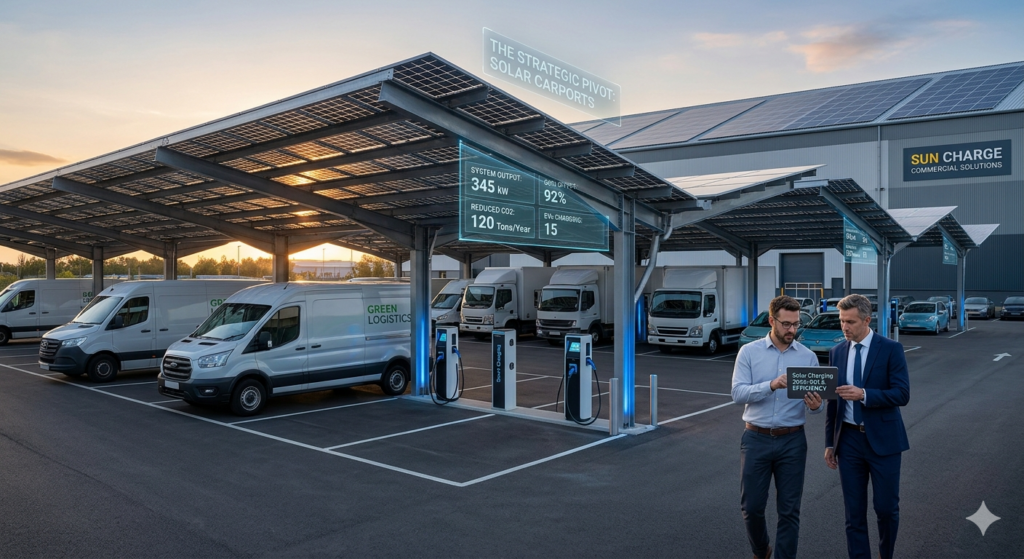
For logistics and transport hubs, Solar Carport Infrastructure is a dominant niche. By converting parking assets into energy-generating hubs, companies can bypass rising grid-supplied electricity costs, as non-commodity charges like transmission fees are projected to represent nearly 60% of business energy bills by the end of 2026.
- Asset Resilience: Integrated solar carports provide dual-purpose value by offering covered parking while fueling commercial EV fleets directly from on-site generation.
- Financial Drivers: With system design lives of 25 to 30 years and payback periods now compressed to 5–8 years, high-intent keywords in this sector are driving record CPC values.
2. The Rise of Industrial Off-Grid Energy Systems
Manufacturing, cold storage, and logistics facilities are increasingly seeking Off-Grid Solar Solutions to safeguard against extreme energy market volatility.
- Procurement Strategy: Due to anticipated price increases from global policy changes—such as the removal of China’s VAT export refund—businesses are prioritizing early procurement to lock in pricing before costs rise further in 2026.
- High-Value Tech: Demand is surging for AI-powered energy management and Smart Grid solutions that balance generation and battery storage in real-time across complex industrial sites.
3. Decarbonizing the Public Sector
Public-sector organizations, including NHS estates and educational campuses, are under intense pressure to deliver on mandatory decarbonization plans.
- Infrastructure Synergy: Solar installations are frequently combined with HV/LV (High and Low Voltage) infrastructure upgrades to support the massive electrical loads required by modern EV charging hubs.
- Funding Shifts: To avoid upfront capital expenditure, many entities are moving toward Power Purchase Agreements (PPAs) and asset finance models that allow systems to be paid for through monthly energy savings.