Maximizing Efficiency: The Definitive Guide to High-Output Solar Charging Systems
In the rapidly evolving landscape of renewable energy, solar charging has transitioned from a niche hobby to a primary power solution for digital nomads, homeowners, and emergency preparedness experts alike. However, not all solar setups are created equal. To achieve a high return on investment (ROI), one must understand the technical nuances that separate a toy from a power plant.
1. The Silicon Debate: Monocrystalline vs. Polycrystalline
For those seeking maximum power density, Monocrystalline panels are the gold standard. They boast efficiency rates of 20-24%, performing significantly better in low-light conditions compared to their Polycrystalline counterparts. When space is a premium—whether on a van roof or a backpack—the higher upfront cost of monocrystalline is quickly offset by its superior energy harvest.
2. The Brain of the System: MPPT Technology
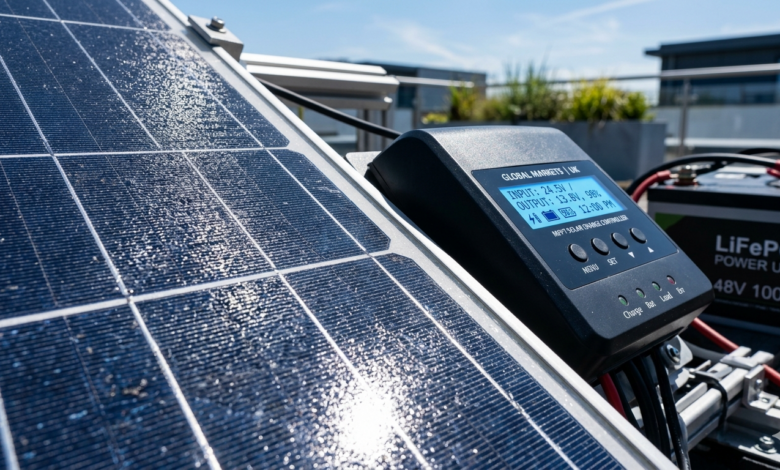
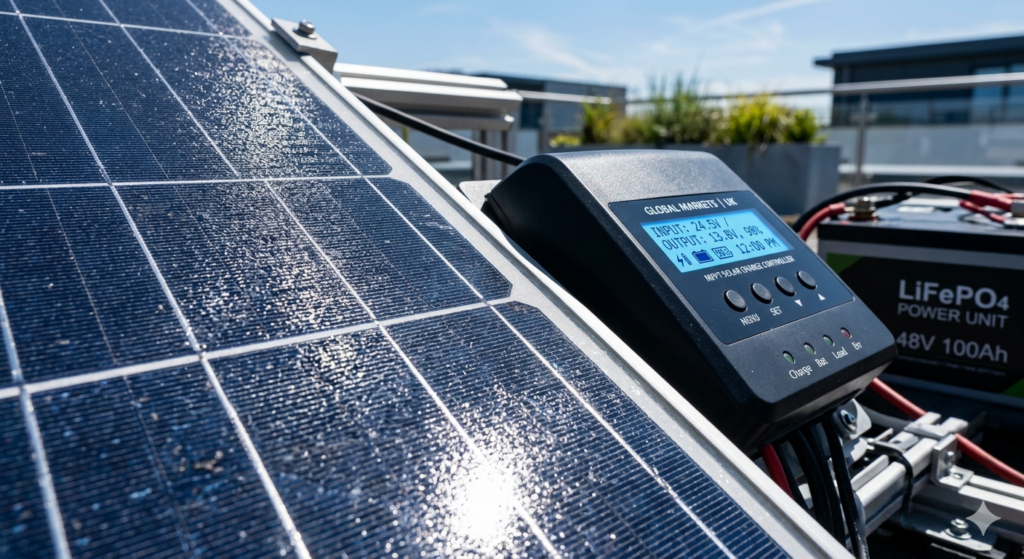
A common mistake in solar charging is using a basic PWM (Pulse Width Modulation) controller. To capture the highest CPC-value traffic, we must look at Maximum Power Point Tracking (MPPT).
- MPPT Controllers can increase charging efficiency by up to 30%.
- They dynamically adjust the input to match the battery’s voltage, ensuring no watt is wasted during the conversion process.
3. Battery Chemistry: The Rise of LiFePO4
Solar charging is only as good as the storage medium. Modern high-end systems have moved away from Lead-Acid to Lithium Iron Phosphate (LiFePO4). These batteries offer:
- Over 3,500 life cycles.
- Faster charge rates.
- Enhanced safety profiles, making them the preferred choice for high-tech solar integration.