Industrial Solar Charging Hubs: Powering Next-Generation Smart Factories
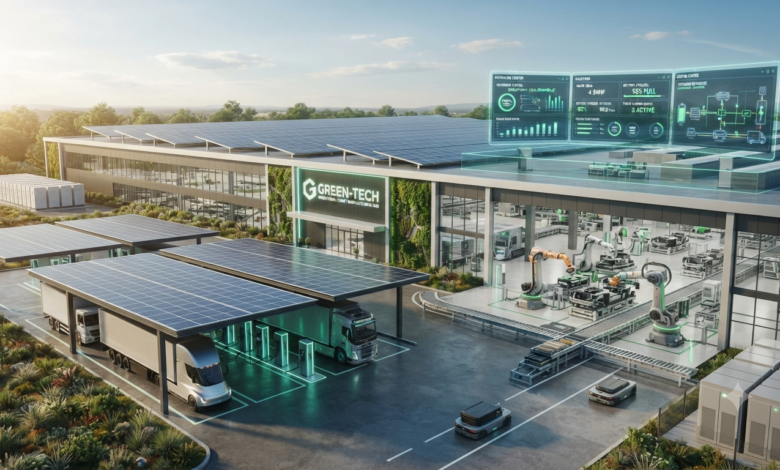
As global manufacturing pivots toward complete electrification and carbon neutrality, the integration of dedicated solar charging infrastructure within heavy industrial complexes has emerged as a multi-million-dollar B2B market. For industrial consultants, renewable energy engineers, and specialized tech suppliers, advising factory owners on large-scale solar charging integration unlocks elite project values and high-margin consulting retainers.
1. Mega-Scale Fleet Solar Charging Carports and Depots
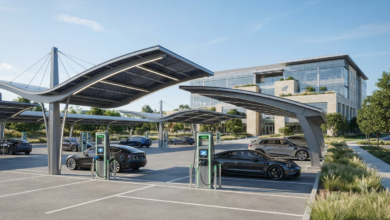
Modern manufacturing facilities operate massive fleets of electric delivery trucks, heavy-duty forklifts, and automated guided vehicles (AGVs). Designing high-capacity solar-powered charging depots equipped with smart load-balancing microgrids allows factories to maintain uninterrupted operations while slashing utility overhead. Securing these high-ticket commercial installation projects generates substantial enterprise revenue.
2. Autonomous Solar Microgrids for Off-Grid Manufacturing Plants
Many heavy industrial facilities operate in remote or developing regions where municipal power grids are unstable or prone to costly outages. Integrating robust, utility-scale photovoltaic arrays with advanced industrial battery energy storage systems (BESS) provides absolute energy security. Positioning your consultancy as an expert in off-grid factory microgrids commands premium professional advisory fees.
3. Automated Wireless Solar Charging for Factory AGVs
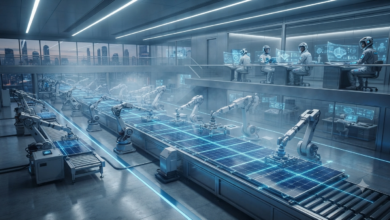
On the factory floor itself, keeping automated robotic fleets powered around the clock is critical to maintaining high throughput. Developing wireless, high-speed solar-assisted inductive charging stations integrated directly into manufacturing assembly lines represents a bleeding-edge niche with exceptional commercial value.
Essential Frameworks for Industrial Success
- Target Chief Operations and Sustainability Officers: Direct your B2B marketing initiatives toward top-tier industrial leadership responsible for energy procurement and facility efficiency.
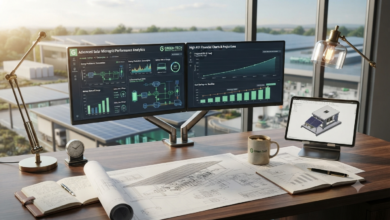
- Integrate Smart Energy Management Software: Implement IoT-driven software that optimizes solar generation storage and vehicle charging schedules in real time.
- Comply with Strict Industrial Electrical Codes: Ensure all high-voltage solar installations meet rigorous international safety and engineering standards.